First: Know Thy Matsutake
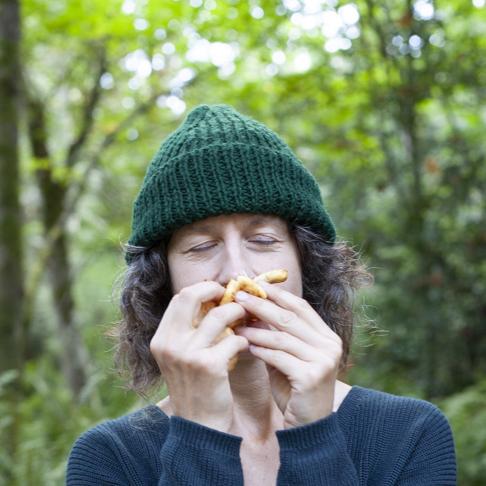
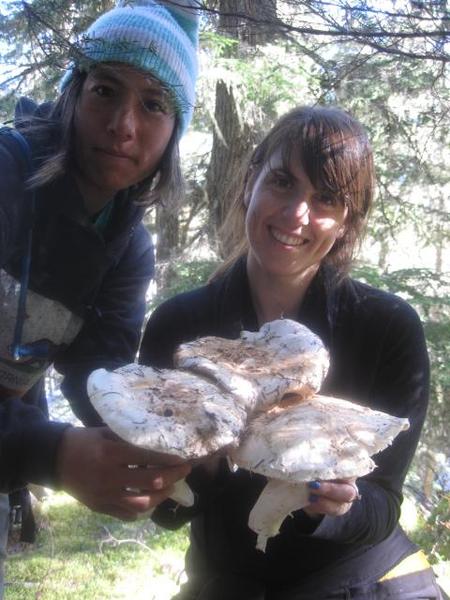
Matsutake (literally “pine mushroom” in Japanese) thrives in symbiosis with certain conifers—think lodgepole pine, Douglas fir, and Western hemlock trees. What sets it apart isn’t its appearance—white caps with brownish scales aren’t hard to find—but its unmistakable fragrance. Imagine crushed cinnamon bark, pine needles, and a whisper of red hot candy. That
spicy-clean strong aroma is the matsutake signature.
Be warned: plenty of lookalikes lurk nearby. The most common and dangerous imposter is Amanita smithiana on the coast, very toxic. When in doubt, leave it be! For your first hunts, consider joining a local mycology club or guided foray with us to learn the basics —nothing replaces the expertise of seasoned foragers. Our field trip to Whistler is the most likely to find some Matsutakes, but our Vancovuer classes will teach you about mushroom foraging 101 as a great primer. Learn the basics and then focus on edible mushrooms with no poisonous look alikes like cauliflower mushrooms or hedgehogs.
The Hunt
Timing is everything. Matsutake emerge after the first sustained
autumn rains, usually from late September through November. Scan the forest floor for telltale cracks in the soil, slight mounds of duff, or “flags” (the edge of a mushroom cap just breaking through). Veteran pickers sometimes say matsutake “hide” more than they grow—they’re often buried under needles and dirt, requiring a delicate excavation.
Carry a small knife or foraging tool, but resist the urge to yank. Instead, gently loosen the soil around the base gently, lift
the mushroom intact, and cover the spot back with needles. This isn’t just etiquette—it helps protect the underground mycelium for future flushes. Try not to pick every white mushroom you see as other creatures rely on fungi for food.
Safety & Respect
Foraging matsutake is thrilling, but it comes with responsibilities:
You cannot harvest mushrooms in any parks in BC and in Washington you frequently need a
permit to pick.
Ethics: Take only what you’ll use, and leave smaller, immature mushrooms behind and some mature ones too to make sure the spores spread and new mushrooms pop up every year.
Safety Gear: High-visibility clothing, a whistle, and a GPS app are just as important as your mushroom knife. Our forests are vast, and cell service is spotty. Tell someone where you are going at all times and
when you will be back.
Identification: When in doubt, throw it out. That spicy aroma is your best clue—but never your only one.